
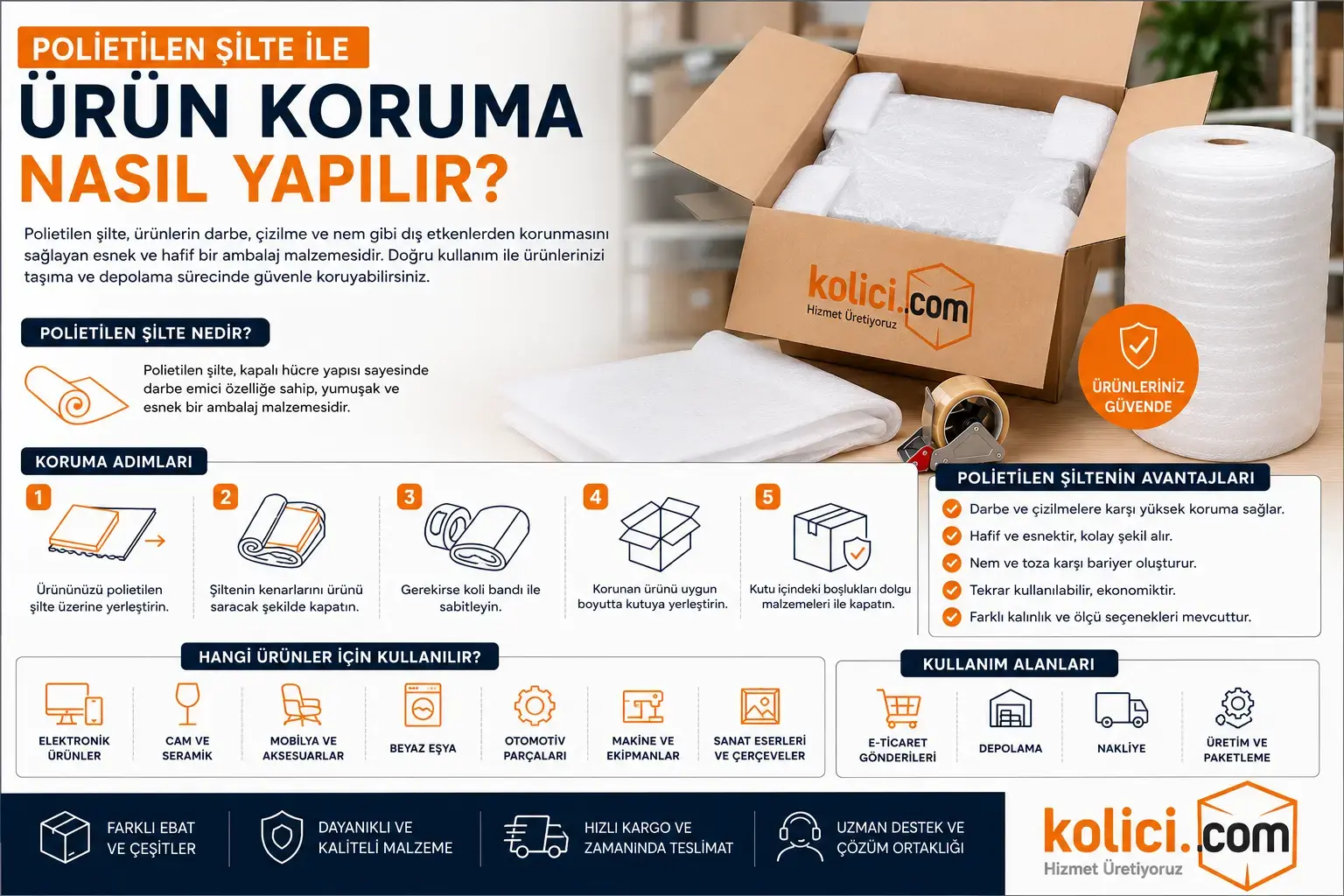
How to Protect Products with Foam Sheet Packaging? Complete Guide 2026
Protecting products during storage, handling, and transportation is essential for reducing damage and ensuring customer satisfaction. Foam sheet packaging, especially polyethylene foam sheets, is one of the most effective protective packaging materials used across various industries.
Its lightweight, flexible, and shock-absorbing structure helps prevent scratches, impacts, and vibration-related damage. As e-commerce, logistics, furniture, electronics, and appliance industries continue to grow, foam sheet packaging has become an indispensable solution for safe product delivery.
In this guide, we will explore how foam sheets protect products, their advantages, application methods, and the industries that benefit most from their use.
Why Use Foam Sheets for Product Protection?
Foam sheets provide an additional protective layer between products and external impacts during transportation and storage.
Key benefits include:
-
Excellent shock absorption
-
Scratch and surface protection
-
Lightweight and cost-effective
-
Moisture and dust resistance
-
Flexible and easy to apply
-
Suitable for fragile and high-value products
When properly applied, foam sheets help reduce shipping damage, lower return rates, and improve customer satisfaction.
Industries That Commonly Use Foam Sheets
Furniture Industry
-
Tables
-
Chairs
-
Cabinets
-
Coffee tables
Electronics Industry
-
Televisions
-
Computer monitors
-
Printers
-
Electronic components
Home Appliances
-
Refrigerators
-
Washing machines
-
Dishwashers
Glass and Ceramic Products
-
Mirrors
-
Vases
-
Plates
-
Glassware
Automotive Parts
-
Painted surfaces
-
Plastic components
-
Spare parts
How to Protect Products with Foam Sheets
1. Measure the Product
Determine the dimensions of the product to select the appropriate foam sheet size and thickness.
2. Choose the Right Thickness
-
Thin foam sheets for electronics
-
Medium-thickness foam for glass and ceramics
-
Thick foam sheets for heavy or highly fragile items
3. Wrap the Entire Product
Cover all surfaces, paying special attention to corners and edges.
4. Secure the Packaging
Use stretch film or packaging tape if necessary to keep the foam sheet in place.
5. Place Inside a Suitable Shipping Box
After wrapping, place the product inside a properly sized shipping carton and fill empty spaces with cushioning materials.
Conclusion
Foam sheet packaging is one of the most reliable ways to protect products from impact, scratches, and transportation damage. It improves shipping safety, enhances customer experience, and reduces return costs.
At Kolici.com, we offer polyethylene foam sheets, foam rolls, and professional packaging solutions designed to keep your products safe throughout the shipping process.
