- Moving Advice
- The Importance of the Box in Packaging
- Box Prices
- E-Ticaret Kutu ve Paketleme
- What is Box and How is it Produced?
- Box And Packaging Materials For Moving
- Technical Information on Corrugated Cardboard
- Sizing in Boxes
- New Boxes
- What Are The Packaging And Packaging Materials And Where Are Used.
- Packaging Fairs
- Everything About Box Prices
Search Blog
What is a Box?
What is Box and How is it Produced?
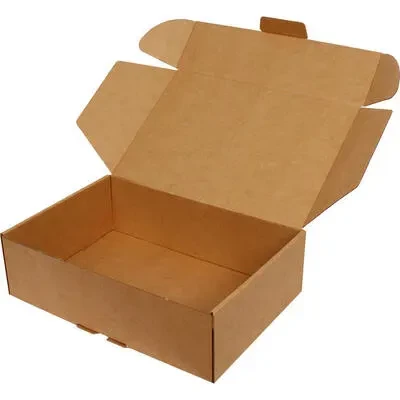
What is a Box? Types, Areas of Use and Production Processes There is a product that we encounter almost every moment of our daily lives but are often unaware of: Boxes. Boxes, which are used for many purposes from transportation to storage, from presentation to protection, play a major role in both individual and commercial life. So what is a box?
What is a Box?
What is Box and How is it Produced?
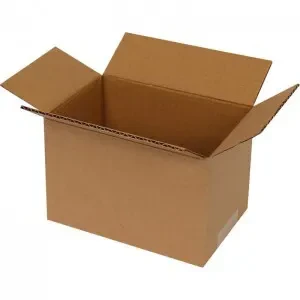
What is a Box? A box is a type of box made of corrugated cardboard and used to carry or store various items. Corrugated cardboard is primarily needed for box production. Corrugated cardboard consists of two flat paper layers obtained from paper pulp and with a corrugated layer in between.
Successful Packaging in E-Commerce: The Most Suitable Cardboard Box Options
The Importance of the Box in Packaging
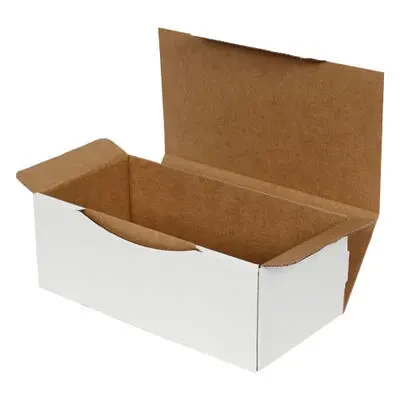
Packaging in E-Commerce E-commerce has become a rapidly growing and developing sector today. However, for many e-commerce businesses, the packaging and shipping process is critical to delivering products to customers safely and quickly.
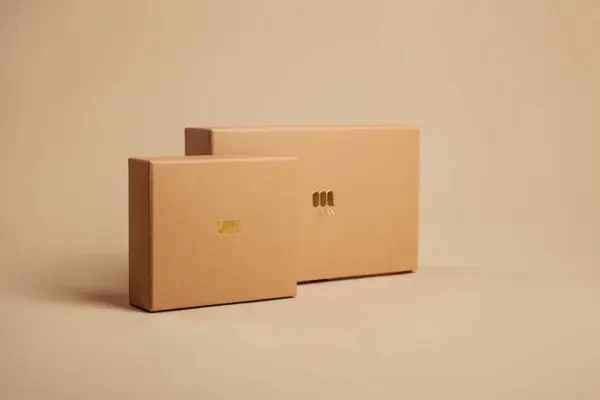
What are the Box Design and Functions?
The Importance of the Box in Packaging
Box Design and Functions: The Best Solutions for Product Security and Efficiency Box design plays a crucial role in the safe transportation, storage, and organization of products. A well-designed box protects products from external factors, reduces transportation and storage costs, and strongly represents your brand. The types and functions of boxes vary depending on the characteristics of the products. Key elements of effective box design include choosing the right size, material usage, and functional structure. Additionally, the aesthetic design of boxes plays an important role in brand marketing strategies. Box design should not only be visually appealing but also durable, suitable for transportation, and environmentally friendly. Box functions are optimized to enhance product security, make the transportation process more efficient, and improve the consumer experience upon delivery. Moreover, proper box design reduces the risk of product damage, makes storage space more efficient, and lowers transportation costs. In conclusion, box design and functions are vital factors for the success of products. Businesses can increase operational efficiency and maximize customer satisfaction by selecting the right box design and functions.
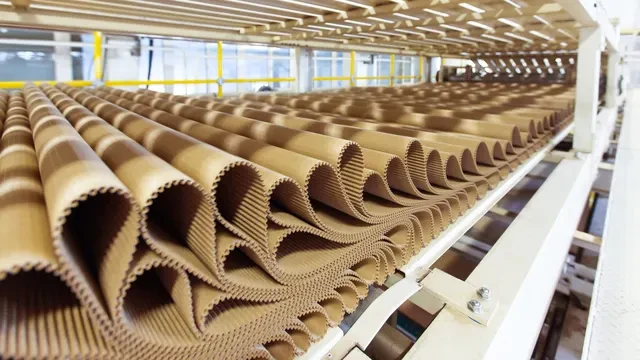
Materials and Technological Changes Used in Box Production.
The Importance of the Box in Packaging
Materials Used in Box Production and Technological Changes Box production plays a significant role in the logistics and e-commerce sectors. The right material selection ensures the safe transportation and storage of products while helping to reduce costs. The most commonly used materials today include cardboard, corrugated board, kraft paper, and recycled materials. Additionally, technological advancements have made the machines and software used in box production more efficient. Digital printing technologies, automated production lines, and eco-friendly materials enable improved quality and sustainability in box production. In this article, you will explore the materials used in box production and the impact of technological innovations on the industry.
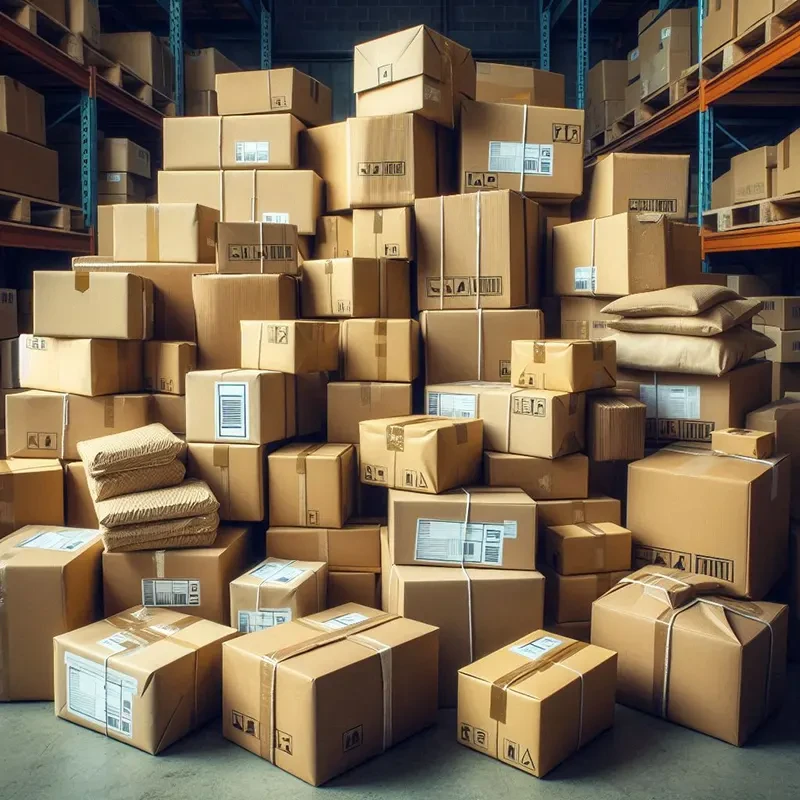
Box Types and Usage Areas
The Importance of the Box in Packaging
Different Types of Boxes and Their Uses: Which Box is Used Where? Different types of boxes play a crucial role in transportation, storage, and packaging processes. Each box type is designed to meet specific needs and usage areas. Options like cardboard boxes, corrugated boxes, wooden crates, and plastic containers are used across various sectors and purposes. In this blog post, you will find detailed information about the features of each box type and where they are most efficiently used. Choosing the right box for your needs reduces transportation costs, enhances product safety, and optimizes your logistics processes.
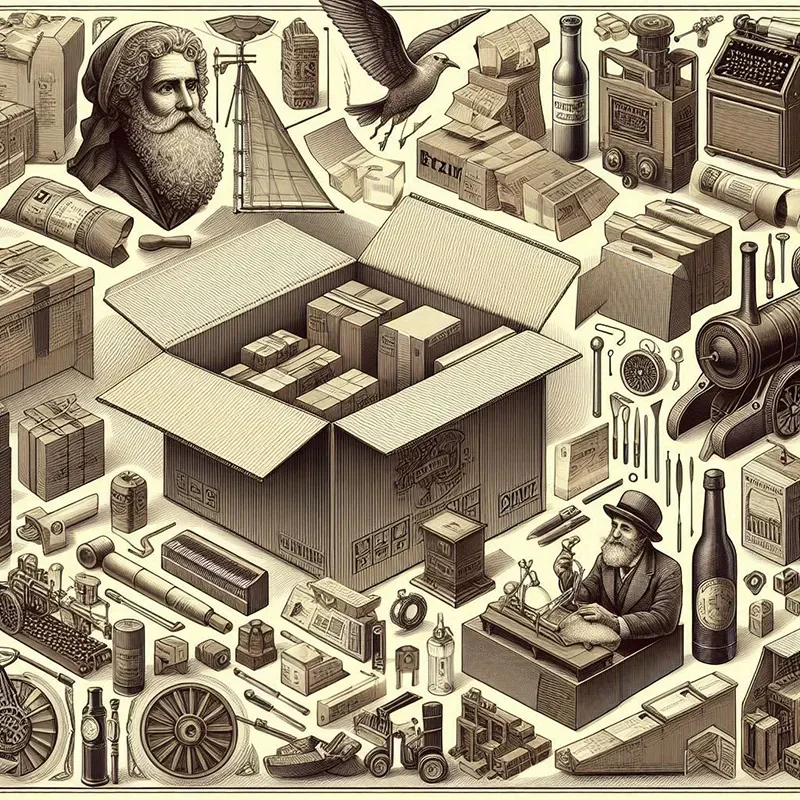
Origins and Historical Development of the Box
The Importance of the Box in Packaging
The Origins and Historical Development of Boxes Boxes have become an indispensable part of transportation, storage, and packaging processes today. However, the history of boxes dates back to ancient times. The first boxes, made from natural materials like stone, wood, and ceramics, can be traced back to ancient civilizations around 3000 BC. With the Industrial Revolution, the production of boxes accelerated with new materials like cardboard and corrugated fiberboard, which revolutionized the retail sector. In the 20th century, automated production lines and digital printing technologies were developed, making box production faster and more efficient. Today, boxes are made from eco-friendly materials, with sustainability being a key focus. Smart packaging systems and 3D printing technologies are emerging trends in box production for the future. The history of boxes has contributed not only to transportation and storage but also to the development of eco-friendly packaging solutions and the evolution of logistics processes.
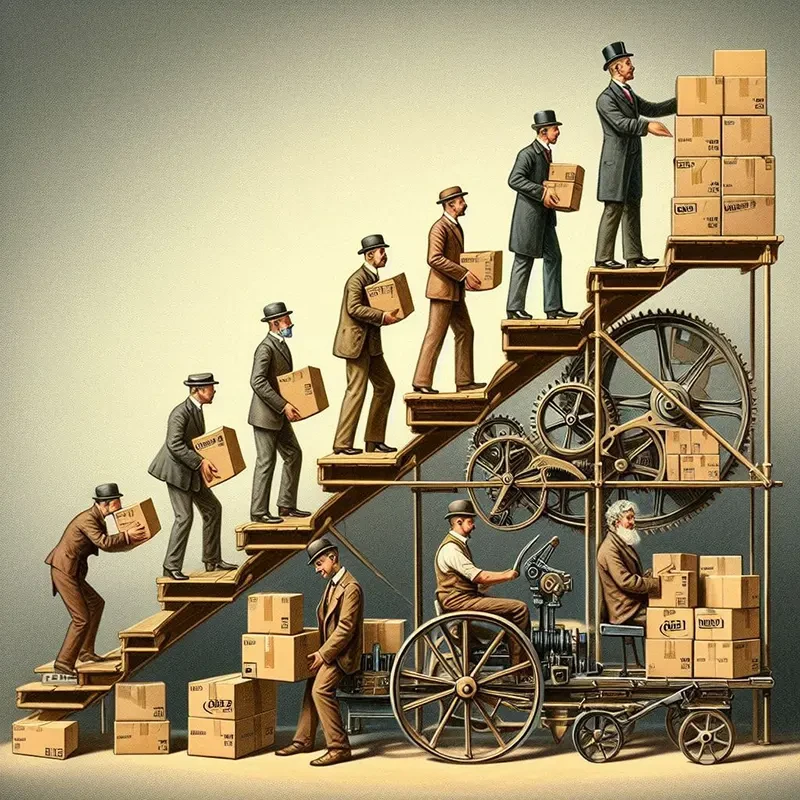
The Evolution of Boxes and Cartons
The Importance of the Box in Packaging
The Evolution of Boxes and Cartons: A Brief Overview The evolution of boxes and cartons has significantly impacted packaging and shipping industries. From basic wooden crates in ancient civilizations to the modern-day cardboard boxes, packaging has adapted to meet the ever-changing demands of transportation, storage, and product protection. With the rise of industrialization, materials such as cardboard, plastic, and corrugated paper revolutionized the packaging sector, leading to more efficient and cost-effective solutions. Today, boxes and cartons are designed with a focus on sustainability, product safety, and cost reduction, ensuring that goods are transported efficiently and safely. Understanding the history and evolution of packaging helps businesses make informed decisions when selecting the most effective packaging solutions, ultimately improving logistics and reducing overall costs.
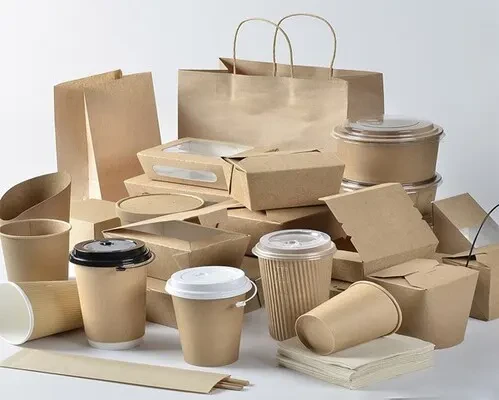
The Importance and Functions of Packaging
The Importance of the Box in Packaging
The Importance and Functions of Packaging Packaging plays a very important role in modern society and serves various functions.
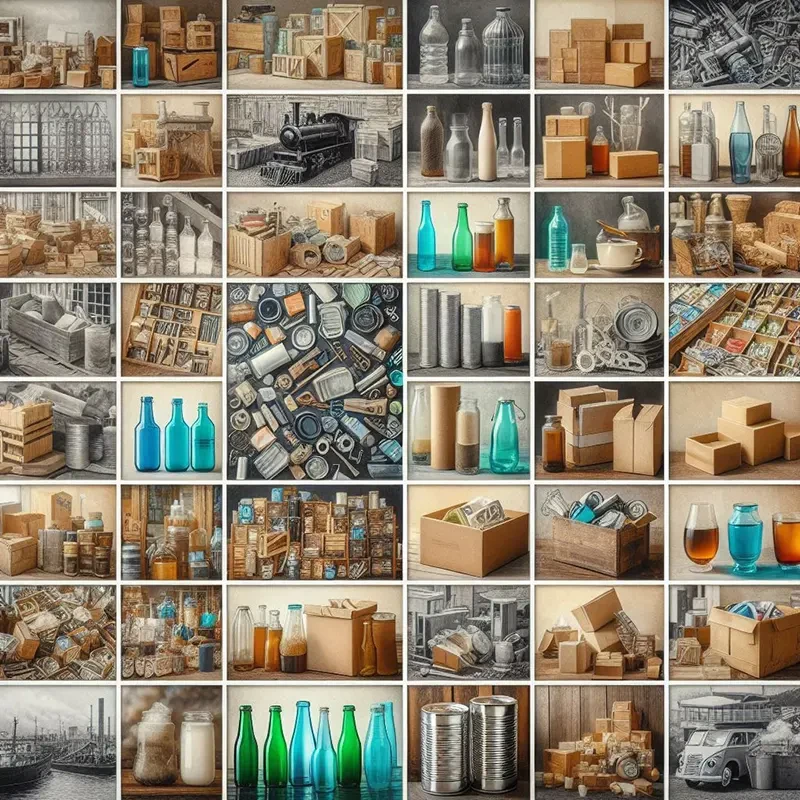
Historical Development of Packaging
The Importance of the Box in Packaging
Historical Development of Packaging Packaging has a long and rich history in human civilization. Over the centuries, people have employed various packaging methods to transport, protect, and store the products they create. The evolution of packaging has been shaped by both changing human needs and technological advancements. As societies developed and new materials became available, packaging methods evolved to meet the growing demand for more efficient and protective solutions. Today, packaging plays a crucial role in the global economy, ensuring the safe delivery of goods while also contributing to marketing, sustainability, and consumer convenience.
